TRIP RECAP · 4 DAYS IN KYOTO
Kyoto is the city where I wanted to see everything at once: the bamboo forest, the temples on the hill, the thousands of orange torii gates, and every matcha shop in between. So I tried to! This is a recap of exactly how I spent four days in Kyoto, plus a day trip to Uji and Nara.
Fair warning: I’m a maximizer when I travel, which means early alarms and full days. If that’s you too, you can follow this plan as is. If you like a slower pace, stretch it out to five days and you’ll still hit all the highlights. Either way, every day below has the timing we used, where we ate, what’s worth booking ahead, and the things I’d do differently.
Quick note: some links in this post are affiliate links. If you book through them I earn a small commission at no extra cost to you, and it helps keep these guides and my videos going. Thank you!
Itinerary Overview
- Day 1: Arashiyama, the Hozu River and Downtown Kyoto
- Day 2: Higashiyama, Nanzen-ji and Gion
- Day 3: Uji and Nara Day Trip
- Day 4: Fushimi Inari, Kinkaku-ji and Nijo Castle
Where to stay in Kyoto
These are the hotels I’d recommend, all close to a train or bus line so you’re not wasting your early mornings. If you book on Klook, use my promo code ANDREXXXKLOOK, or try HOTELONAPP for 5% off your first booking on Klook’s app.
- Oriental Hotel Kyoto Rokujo (Shimogyo-ku). Traditional touches with a modern feel, a restaurant and bar downstairs, and an easy base for getting around the city. Watch my review of it here.
- nol kyoto sanjo (Nakagyo-ku). A stylish boutique hotel right in the middle of everything, close to the shops and restaurants around Sanjo and Teramachi.
- Onyado Nono Kyoto Shichijo (Shimogyo-ku). Tatami rooms, a natural hot spring bath and sauna, and free late-night ramen. It’s also near Kyoto Station, which makes the Uji and Nara day trip easy.
Things to note before you go
- Pace: this itinerary is pretty intense if you’re not a morning person. If that’s you, spread it over five days.
- Breakfast: almost every morning we grabbed konbini (convenience store) food, since very little is open that early. Do a konbini haul the night before.
- Getting around: we mostly took buses and local trains, whichever Google Maps said was quickest. Google Maps is super accurate in Japan, and you can check bus and train times ahead. Add a digital Suica or ICOCA card to your phone so you can tap through and top up easily.
- Flying into Osaka? Take the JR Haruka Express from Kansai Airport. It gets you to Kyoto Station in about 90 minutes.
- Book these ahead: the Sagano Romantic Train, the Hozugawa River Boat Ride, Macho Bar, and your express train back from Nara.
- Klook code: use ANDREXXXKLOOK for 8% off as a new user or 3% off as an existing user (minimum USD 50 spend).
DAY 1: Arashiyama, the Hozu River and Downtown Kyoto
Day one starts in Arashiyama on the west side of the city, takes you up the river on a scenic train and back down it by boat, then ends with matcha shopping and sushi downtown. The times below are just a guideline, so feel free to shift things around.
• 5/6 AM – Rise and shine at the Arashiyama Bamboo Grove
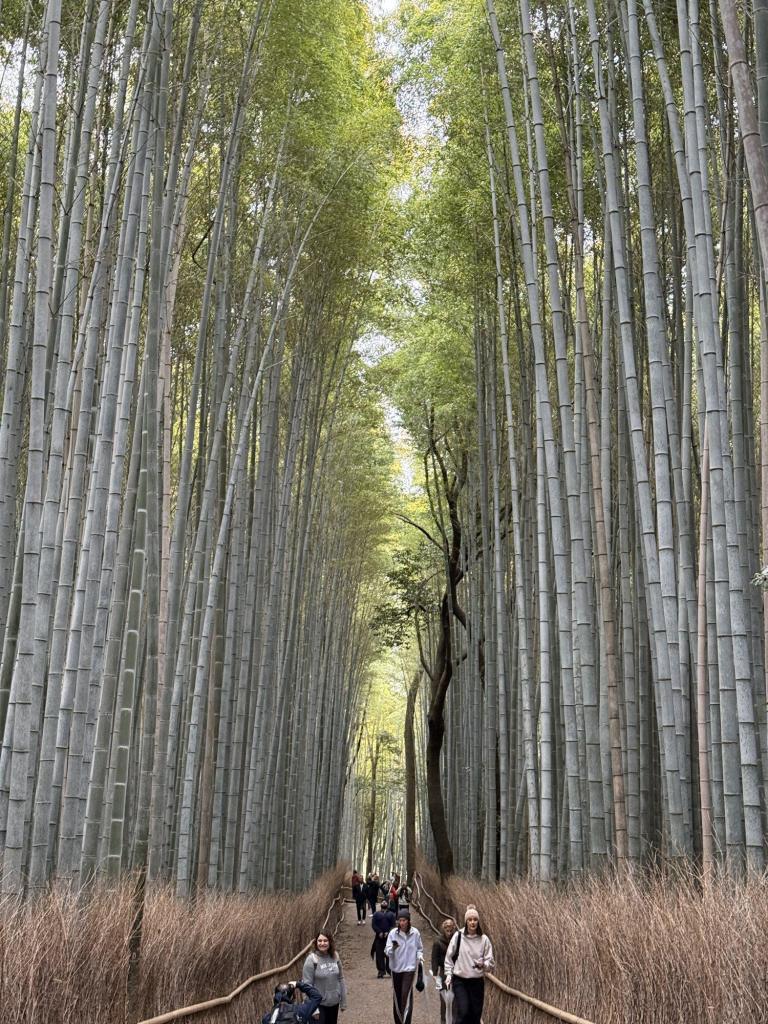
If you want pictures without crowds, you have to get here very early. It’s worth it though. Walking through the bamboo while it’s quiet and the light is just coming through is one of my favorite Kyoto memories. If photos without people don’t matter much to you, you can sleep in a little, since the next stop only needs you in the area by 10 AM.
My tip: Hardly anything is open this early, so grab breakfast from a konbini the night before.
• 10 AM – Sagano Romantic Train
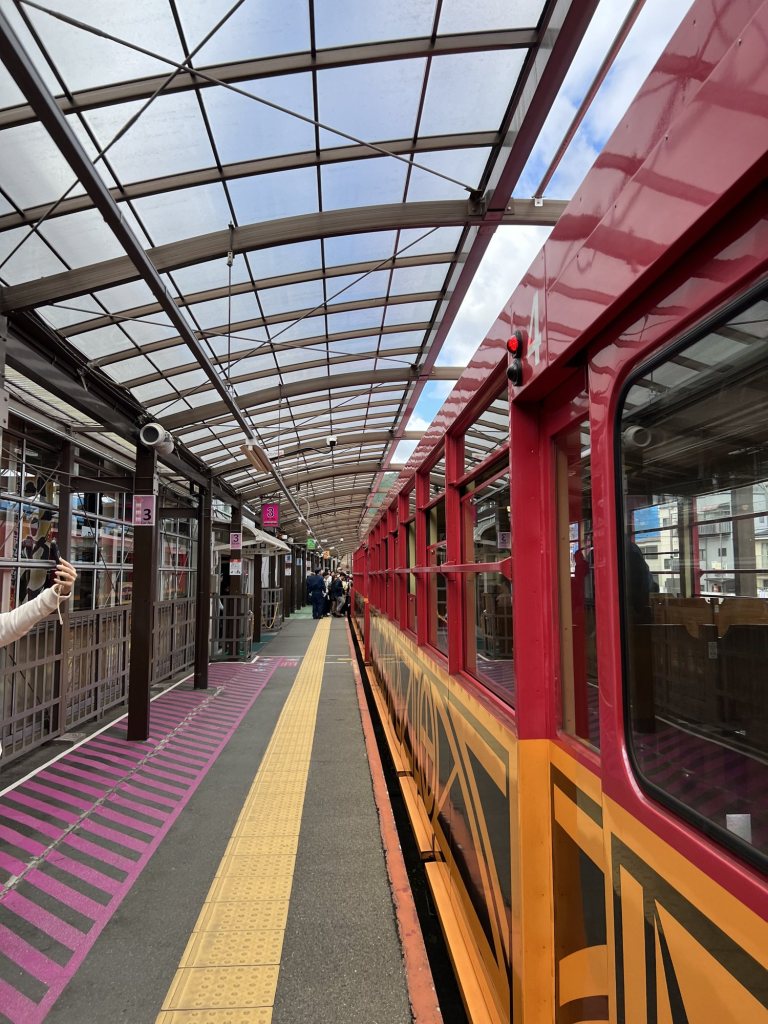
This little retro train runs along the Hozu River for about 25 minutes, with views of the mountains and the valley the whole way. It’s especially pretty in cherry blossom and fall foliage season. Make a reservation for the 10 AM departure so the timing lines up with the boat ride. Book the Sagano Romantic Train here.
My tip: The ride starts at Saga Torokko Station. Get off at Kameoka Station.
• 11 AM / 12 PM – Hozugawa River Boat Ride
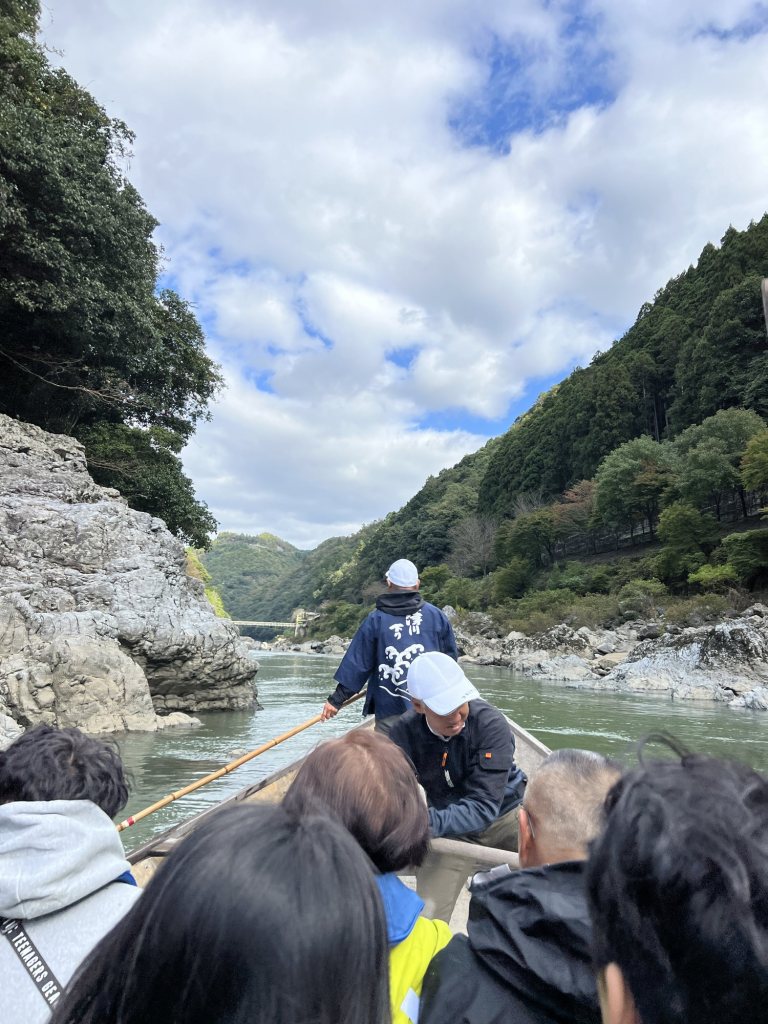
From Kameoka, you ride back toward Arashiyama on a traditional wooden boat, steered by boatmen with long bamboo poles. It’s about two hours through forested valleys and past giant rocks, and definitely a highlight of the whole trip. We booked the 12 PM boat but got to the dock early and were able to switch to 11 AM, only because they had extra seats. There’s no guarantee of that, so if you get there early, I’d still stick with booking 12 PM to give yourself some breathing room. Book the Hozugawa River Boat Ride here.
My tip: After the train, follow the signs for the shuttle bus to the boat dock. Everything is in Japanese, so look for the pictures or pull out your phone to translate.
My tip: The boat ride is two hours straight with no breaks, so use the bathroom beforehand!
• 1/2 PM – Lunch in Arashiyama
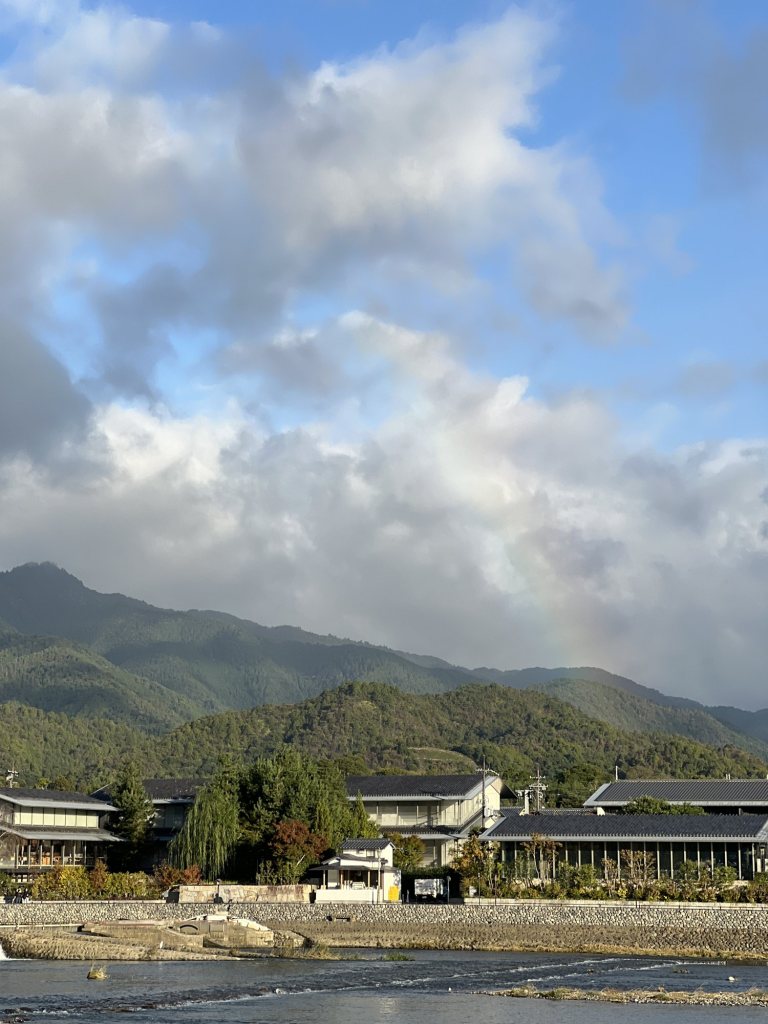
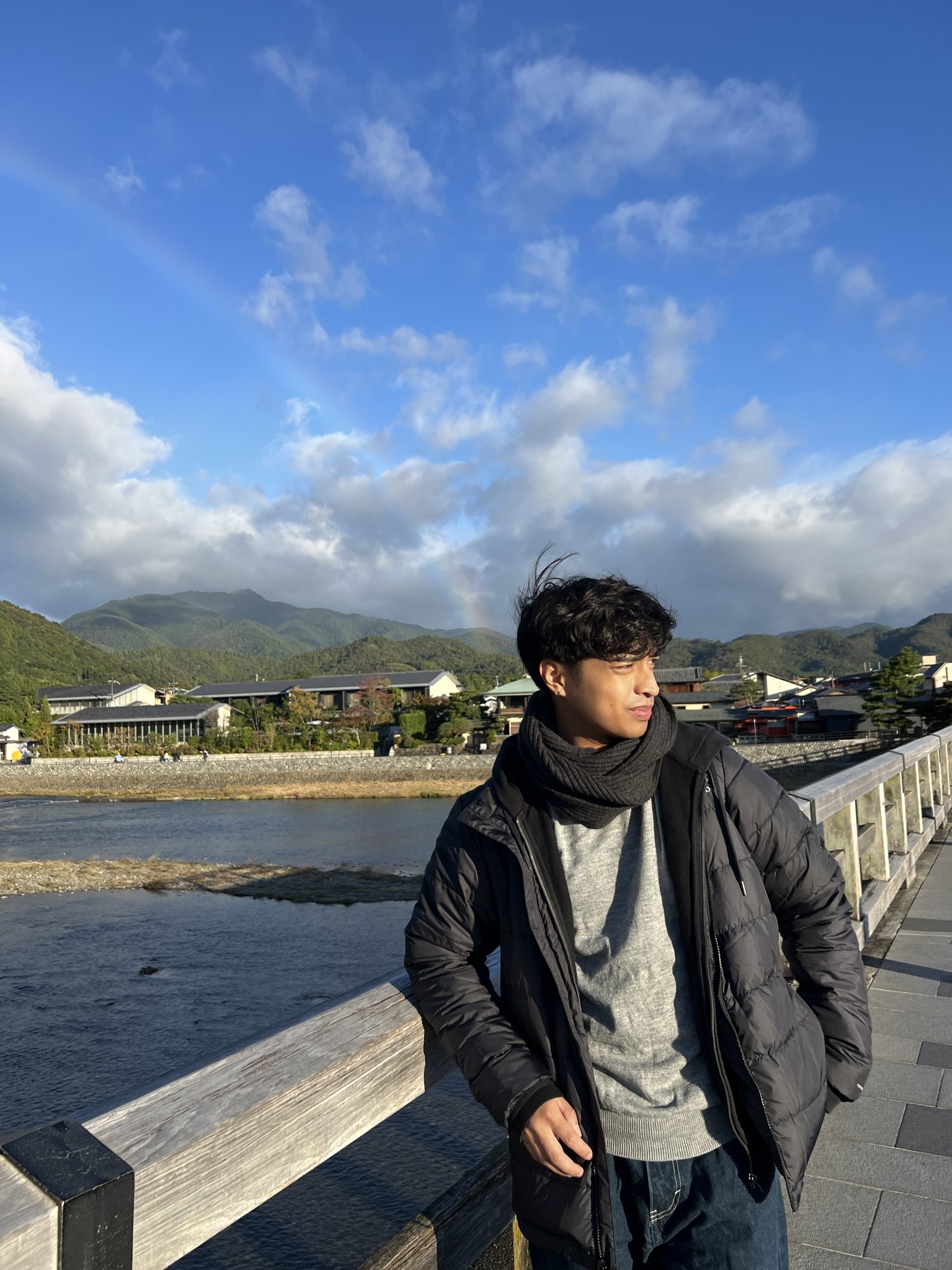
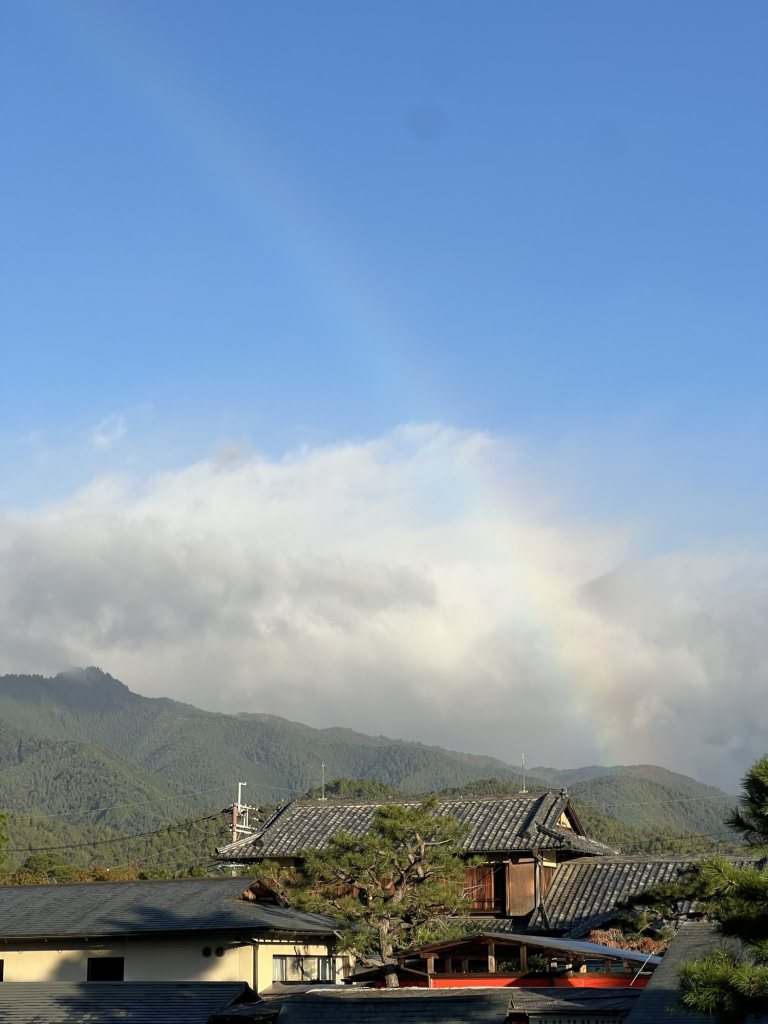
The boat drops you back in Arashiyama near the bamboo forest, and there are tons of restaurants around here, so pick whatever you’re craving. We had soba noodles at Yoshida-ya. Take a walk across Togetsukyo Bridge while you’re here, too. We even got a rainbow over the mountains!
• 3/4 PM – Ippodo Tea Kyoto Main Store
Head back toward downtown to Ippodo, a tea shop that’s been around since 1717. This is the place to buy matcha powder to bring home, and the tearoom next door serves freshly made tea and Japanese sweets if you need a break.
• 5 PM – Early dinner on Teramachi-dori: Maruman
Wander down Teramachi-dori, a covered shopping street full of crafts, clothes and souvenirs, then have an early sushi dinner at Maruman.
My tip: Maruman was run entirely by an older couple when we went, so expect a wait if it’s busy. The food is totally worth it though!
• 6/7 PM – Shopping at Takashimaya, Nintendo KYOTO and Pokemon Center Kyoto
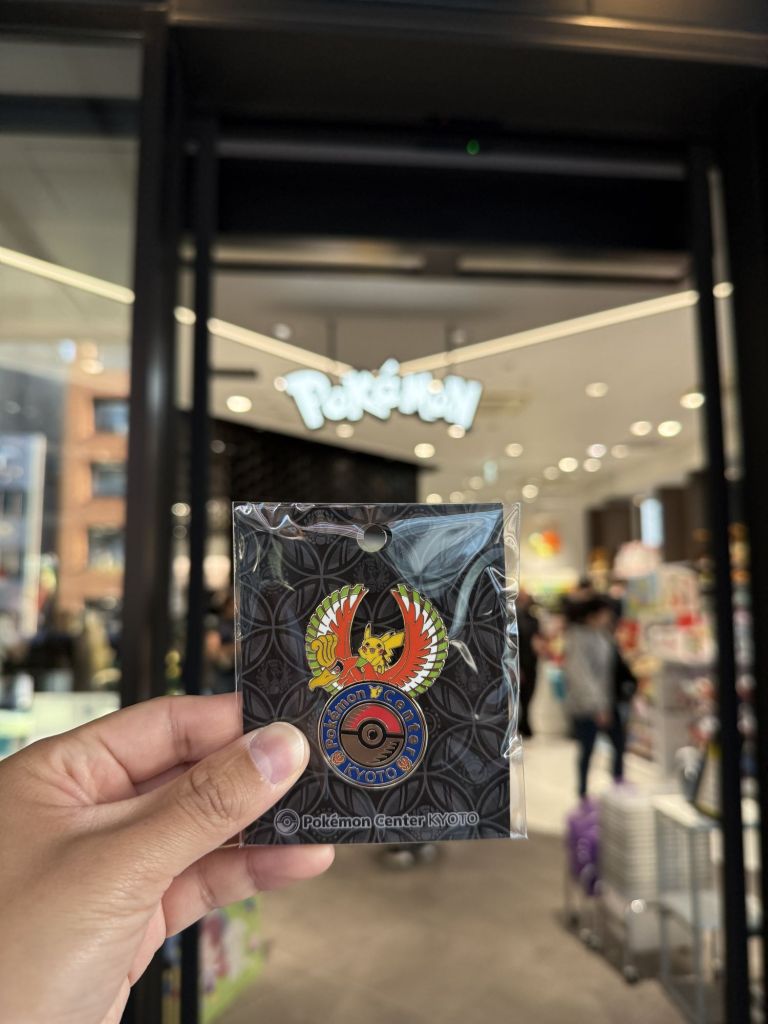
If you still have energy, shop your heart out at Kyoto Takashimaya. The basement food hall is a foodie haven, and the cooked food counters start discounting around 6:30 PM. Go up to the 7th floor for Nintendo KYOTO, which has exclusive merch you won’t find anywhere else. Pokemon fans can also make the short trip to Pokemon Center Kyoto for the Kyoto-only Pikachu plushies dressed in traditional outfits.
DAY 2: Higashiyama, Nanzen-ji and Gion
Another early start, this time in the old streets of Higashiyama before the crowds arrive, then temples, pancakes, matcha in Gion, and a gamble on one of the best bars in Kyoto.
• 6 AM – Early bird gets the worm again: Ninenzaka, Sannenzaka and Yasaka Pagoda
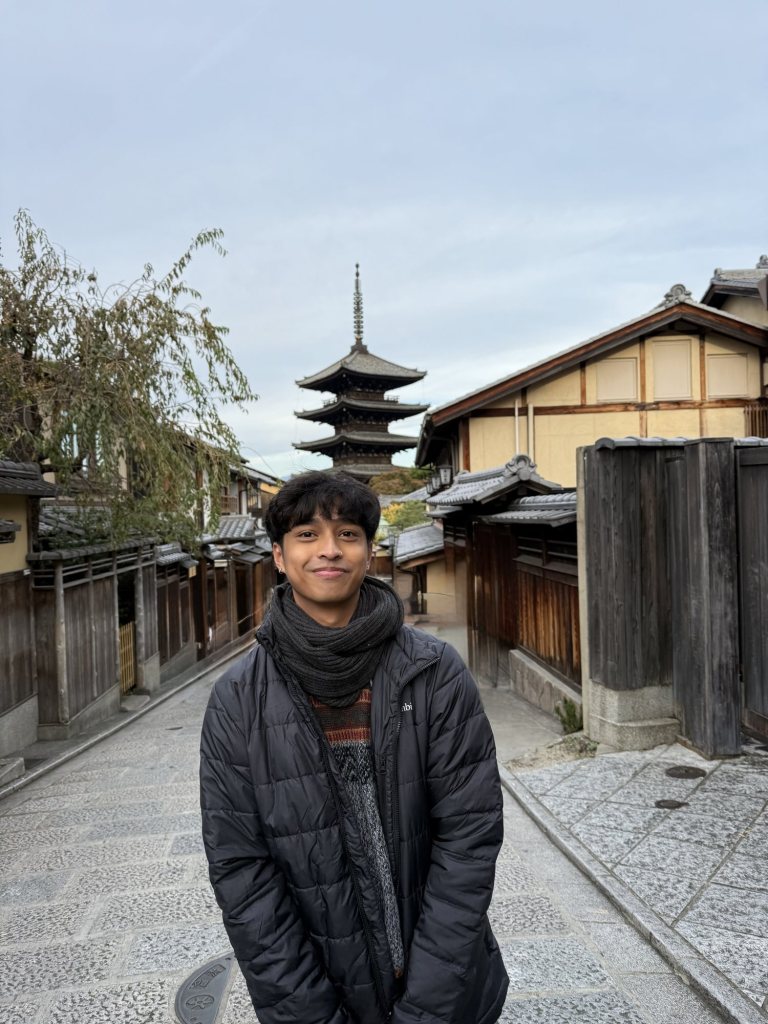
Try to get to Ninenzaka around 7 AM (grab breakfast from a konbini on the way). These stone streets lined with wooden teahouses and shops feel like old Japan, and they’re so much nicer before the tour groups show up. The shot most people come for is Hokan-ji Temple, better known as the Yasaka Pagoda, rising at the end of the street.
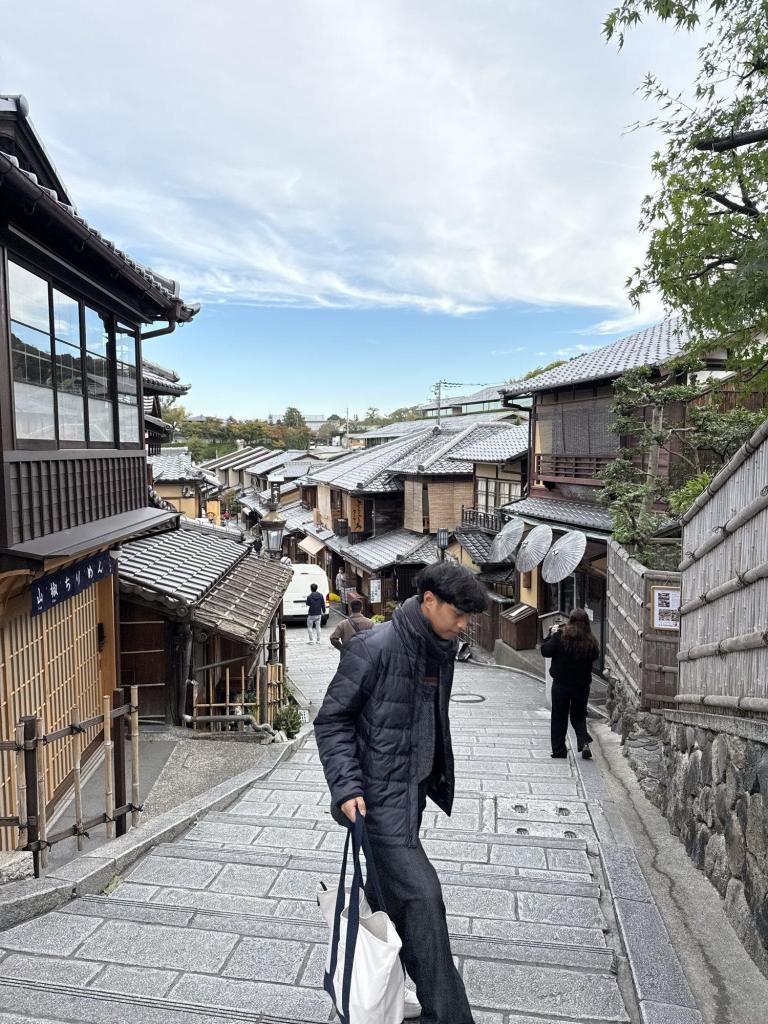
My tip: Set your Google Maps to the Musashi Japan knife shop. Walking down the street from there gives you the iconic shot of the pagoda.
• 8 AM – Kiyomizu-dera Temple
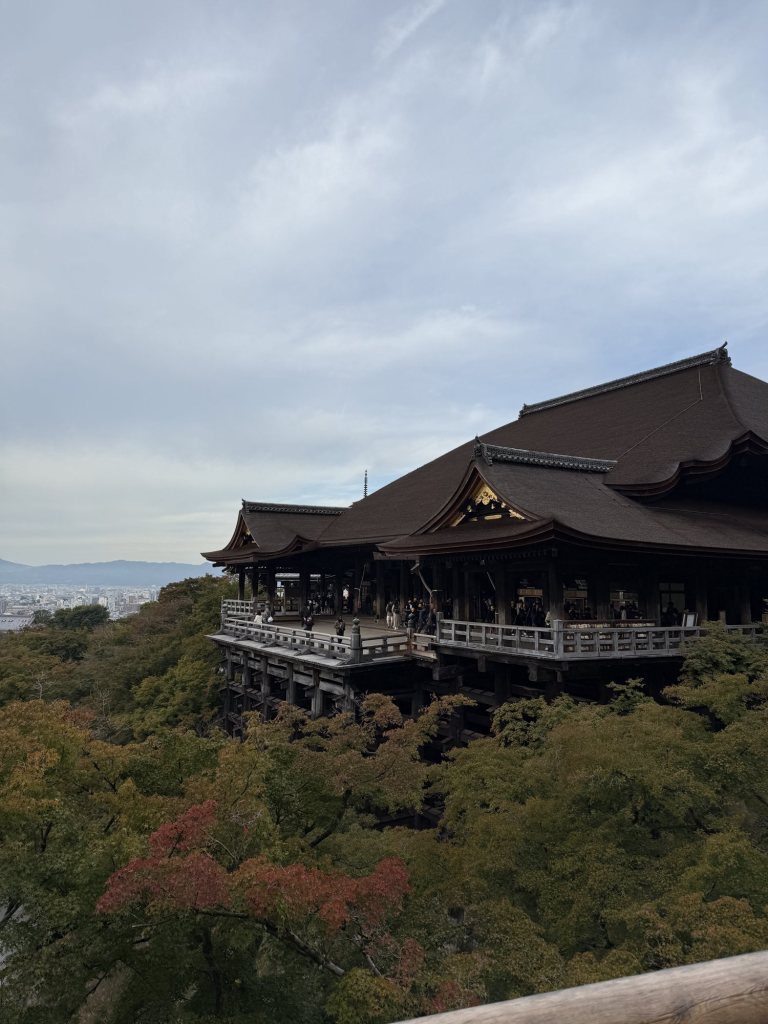
Keep walking up the hill to Kiyomizu-dera, one of Japan’s most famous temples. Its giant wooden stage hangs out over the hillside, with views of the trees and the city below. Don’t miss the bright red pagoda, and the Otowa Waterfall, where you can drink from streams said to bring health, longevity and success.
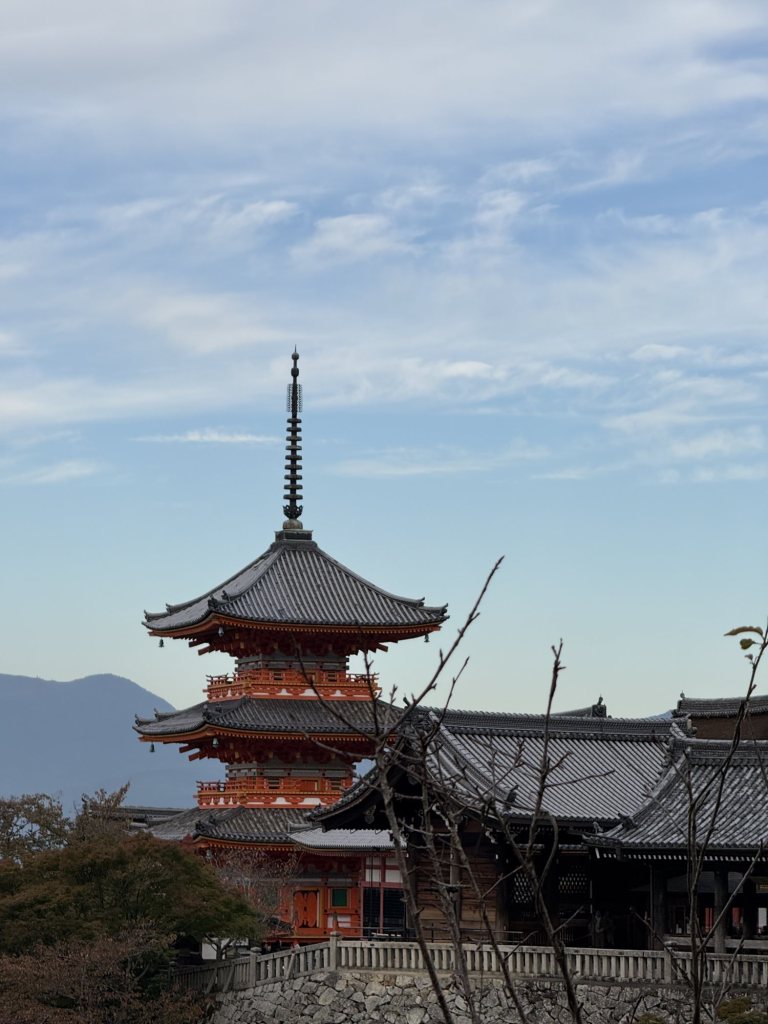
• 9:30 AM – Nanzen-ji Temple
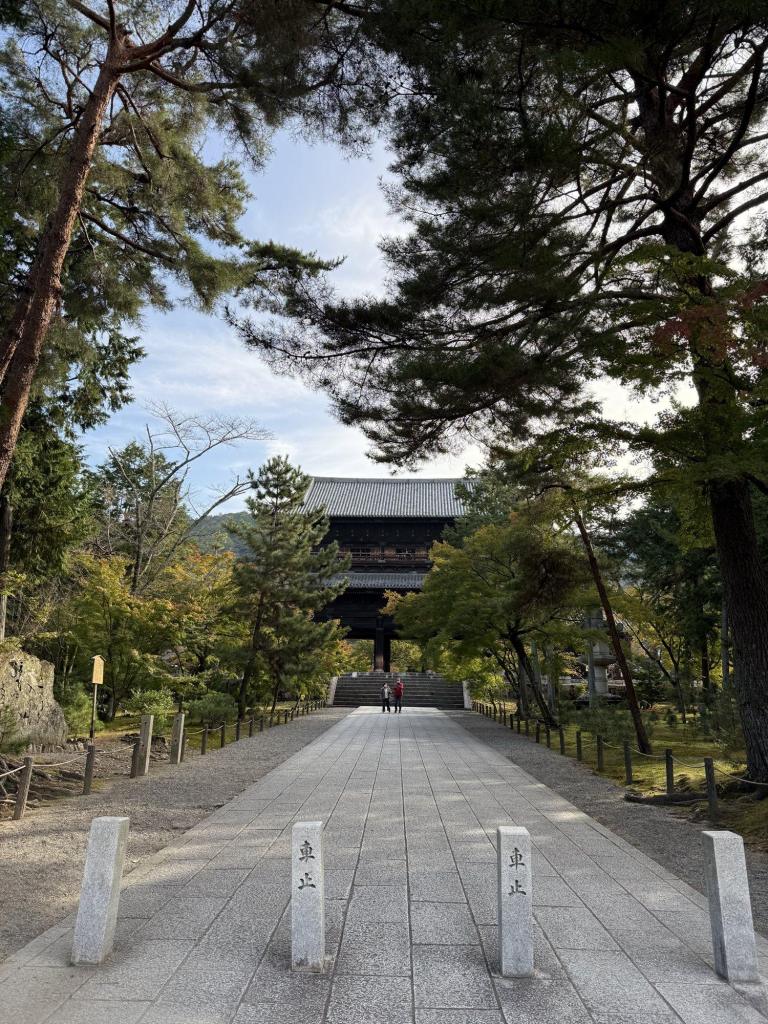
Nanzen-ji is a Zen temple with a massive wooden gate, peaceful gardens, and an old brick aqueduct you can walk under. After the busy morning, it’s a nice reset.
My tip: This temple is a lot quieter than the others, especially in the morning.
• 11 AM – Brunch: Sakura Cafe Hanon
Sakura Cafe Hanon is known for its super soft, fluffy pancakes in flavors like yuzu-scented matcha and hojicha with white chocolate. It’s a minute from Kawaramachi Station.
• 1 PM – Explore Gion
Spend the afternoon wandering Gion, Kyoto’s famous geisha district, with its old wooden machiya houses and teahouses. Stop at Saryo Tsujiri for matcha desserts (and more matcha powder to bring home!), then check out Le Labo Kyoto Machiya, a fragrance shop and cafe inside a townhouse from 1879, with a little garden in the back.
• 6 PM – Dinner and drinks: Masaemon and Bar Kohaku
We actually went back to the hotel to rest before dinner, but feel free to keep exploring Gion if you want to stay out. For drinks, Bar Kohaku on the 4th floor of the Park Hyatt has views over the Kyoto skyline, including the Yasaka Pagoda, and cocktails made with local ingredients like matcha and yuzu. It only has 16 seats, so it’s a gamble, but worth it if you get in.
While we waited for our seats, we had dinner at Masaemon, right nearby, which serves wild game, river fish and handmade soba made from 100% buckwheat.
My tip: Bar Kohaku only takes reservations from hotel guests. If you’re not staying there, get there as soon as it opens to put your name on the waitlist, and have dinner nearby, because they only hold your seat for about 10 to 15 minutes once they call you. We got called twice during dinner and had to run back to the hotel each time to hold our spot!
My tip: The dress code is long pants and closed-toe shoes for men, so no shorts, T-shirts or sandals. Non-hotel guests also pay a seating fee, and there’s a 15% service charge.
DAY 3: Uji and Nara Day Trip
Day three is a double day trip: matcha everything in Uji in the morning, then the deer and the giant Buddha in Nara in the afternoon. If you have the time, I’d personally recommend doing Uji and Nara on two separate days to really make the most of both.
• 8 AM – Head to Uji
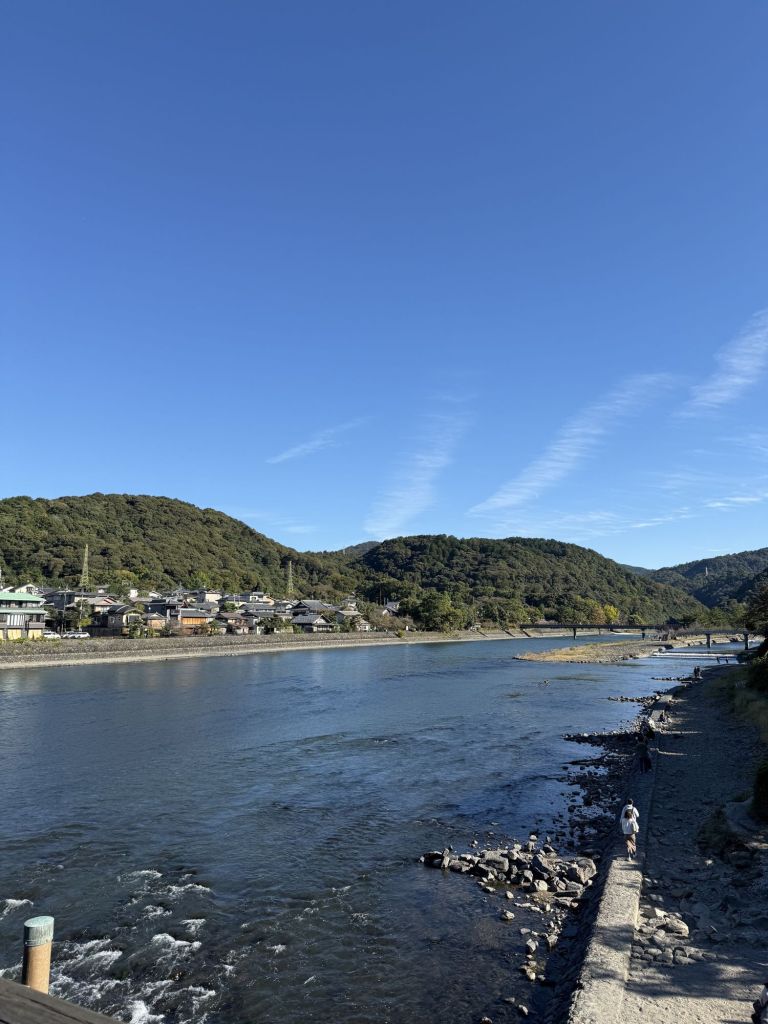
Aim to get to Uji around 9 AM. We took a local train on the JR Nara Line from Kyoto Station. Uji is a small city famous for its green tea, and it’s home to one of the most beautiful temples in Japan.
• 9 AM – More matcha time: Nakamura Tokichi and Tsujirihei
Nakamura Tokichi Honten has been serving matcha since 1854, inside a historic building with a 250-year-old pine tree in the garden. Their matcha parfait is the thing to order. Tsujirihei Honten is another historic teahouse, partly built from a 100-year-old tea factory, and its Uji matcha parfait is stacked with layers of matcha jelly, chiffon cake and rice dumplings.
• 11:30 AM – Tsuen, Byodo-in Temple and Byodo-in Omotesando
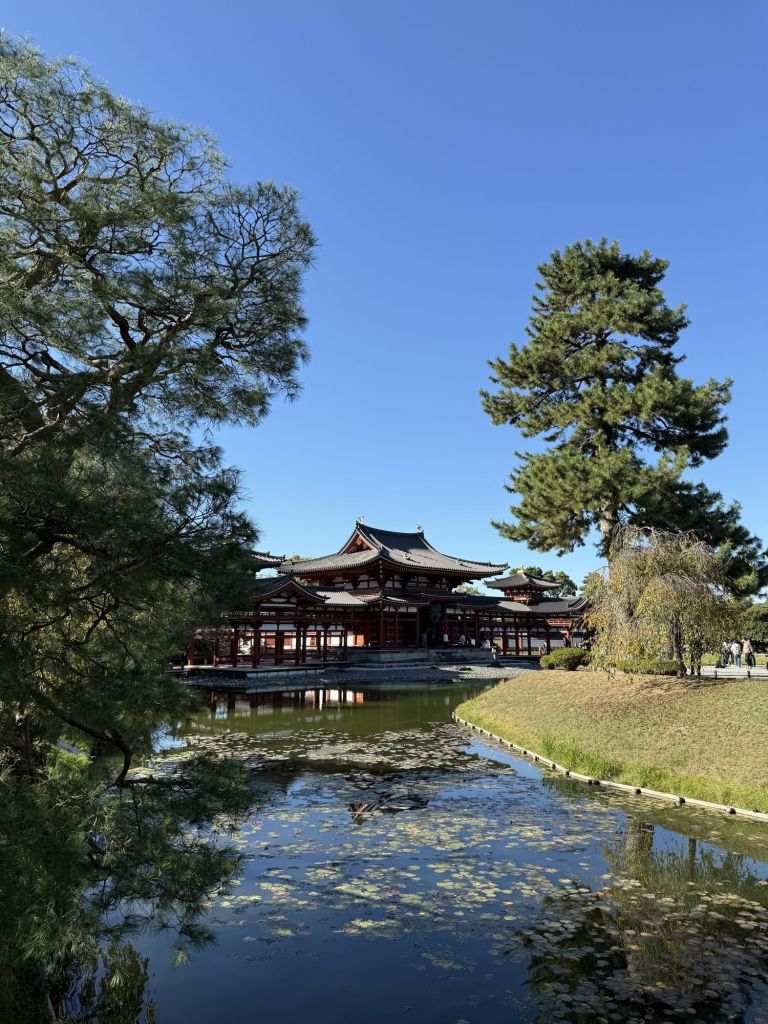
Stop by Tsuen, which opened in 1160 and is Japan’s oldest teahouse, right by the Uji Bridge. Then visit Byodo-in, a UNESCO World Heritage Site whose Phoenix Hall reflects perfectly in the pond in front of it (it’s also the temple on the back of the 10 yen coin). The street leading up to it, Byodo-in Omotesando, is lined with tea shops that have been around for centuries, plus matcha soft serve, tea dumplings and tea soba.
My tip: Get lunch on Byodo-in Omotesando!
• 2 PM – Head to Nara
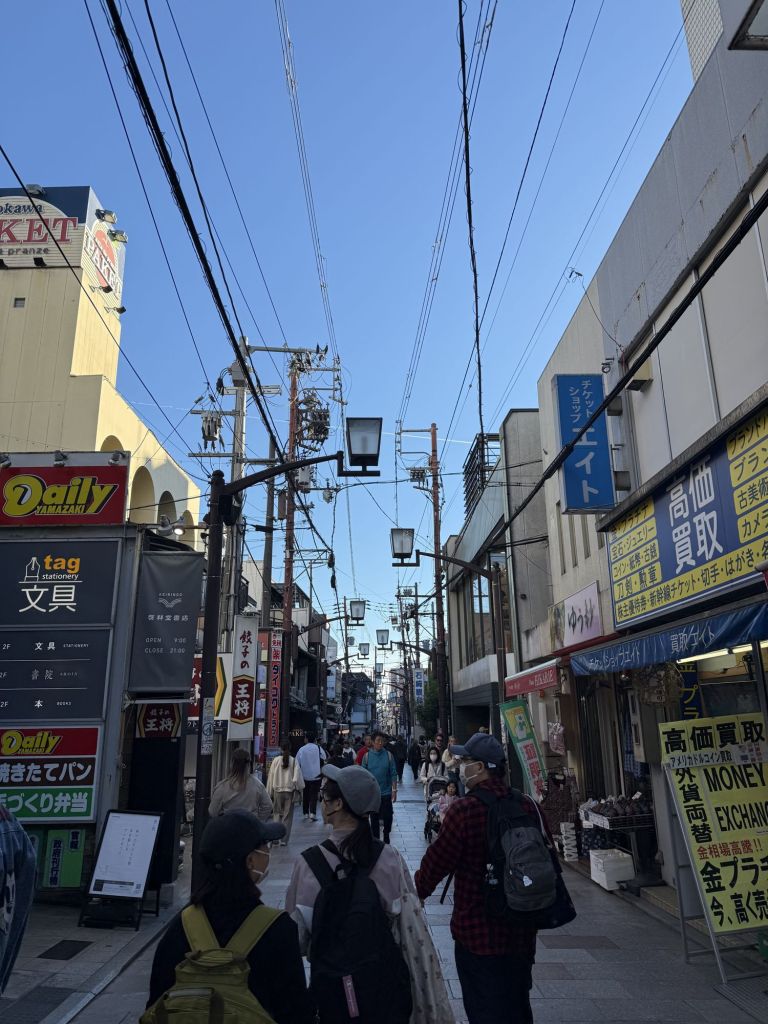
Take a local train from Uji Station to Nara. Here are the spots I recommend hitting while you’re there:
- Nakatanidou: the famous mochi shop with the super fast mochi-pounding demonstrations. Their yomogi mochi is filled with red bean and dusted with kinako.
- Nara Park: home to over 1,000 free-roaming deer, which are considered sacred here. You can buy deer crackers to feed them, and some of them even bow.
- Todai-ji: one of the largest wooden buildings in the world, housing a giant bronze Buddha.
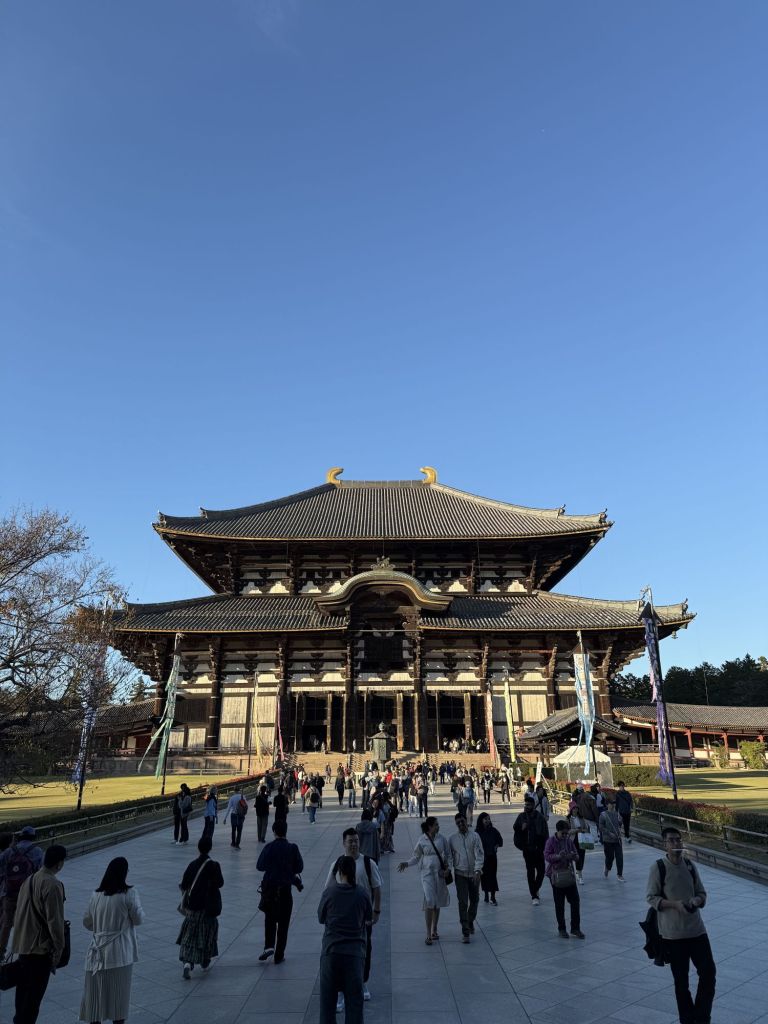
My tip: There’s no set schedule for when Nakatanidou pounds the mochi, but the earlier you go, the better your chances, since they can finish up or sell out for the day.
• 6/7 PM – Head back to Kyoto
We had dinner back in Kyoto at Zen in Shijo Kawaramachi, a yakiniku spot specializing in black-haired Wagyu, but feel free to eat in Nara before you head back.
My tip: Book your express train tickets from Nara back to Kyoto ahead of time. They sell out pretty quickly.
DAY 4: Fushimi Inari, Kinkaku-ji and Nijo Castle
The last day covers the big-name sights we hadn’t gotten to yet: the torii gates of Fushimi Inari, a market breakfast, the Golden Pavilion and a shogun’s castle, then a fun night out.
• 7 AM – Fushimi Inari Shrine
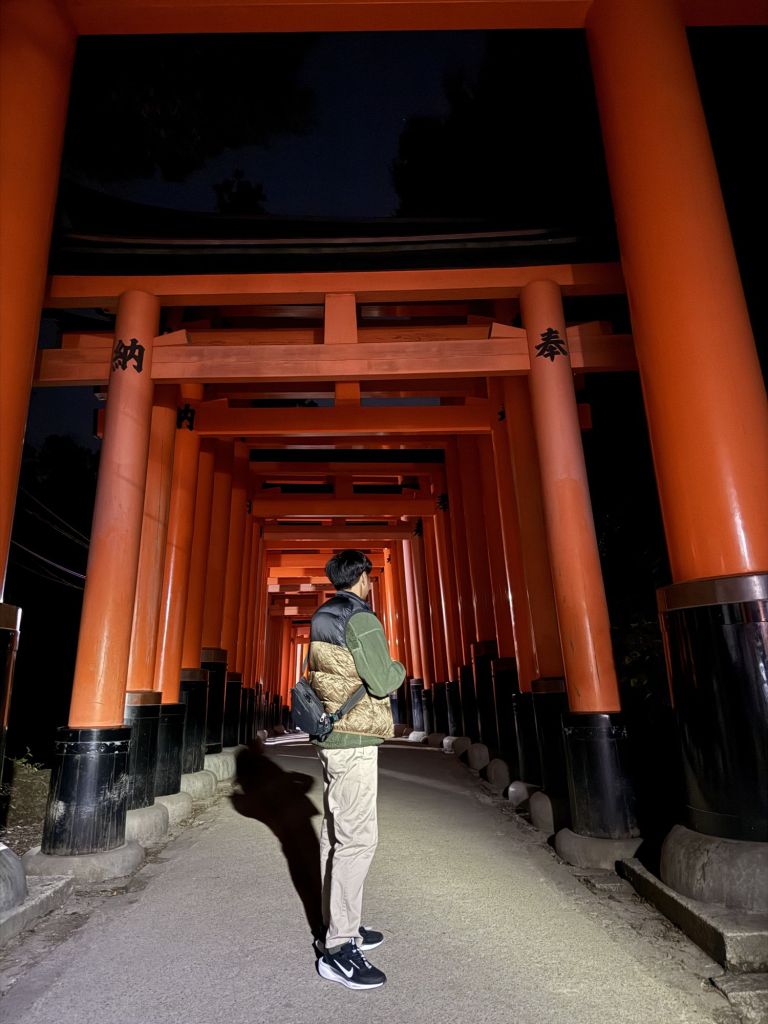
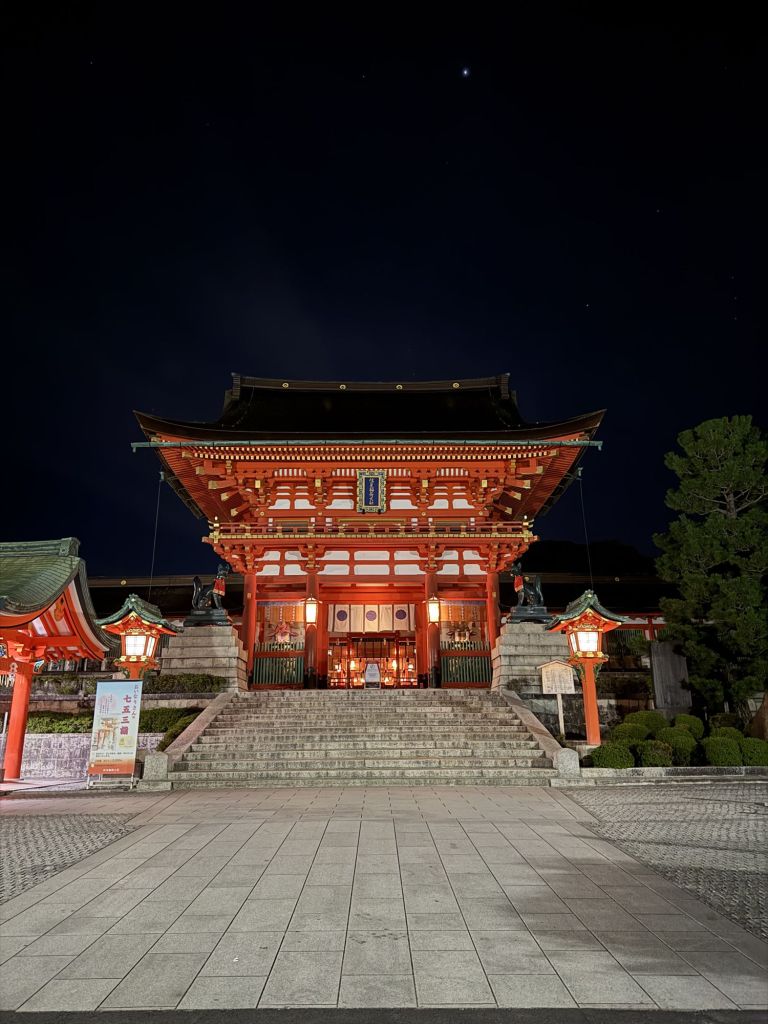
Fushimi Inari is the shrine with thousands of bright orange torii gates winding up Mount Inari. Go early before it gets packed, and walk as far up the trails as you want to.
My tip: Consider going the night of Day 3 instead of early on Day 4. We went at night and pretty much had the place to ourselves. Check out the vibes on my Instagram reel.
• 9 AM – Breakfast at Nishiki Market
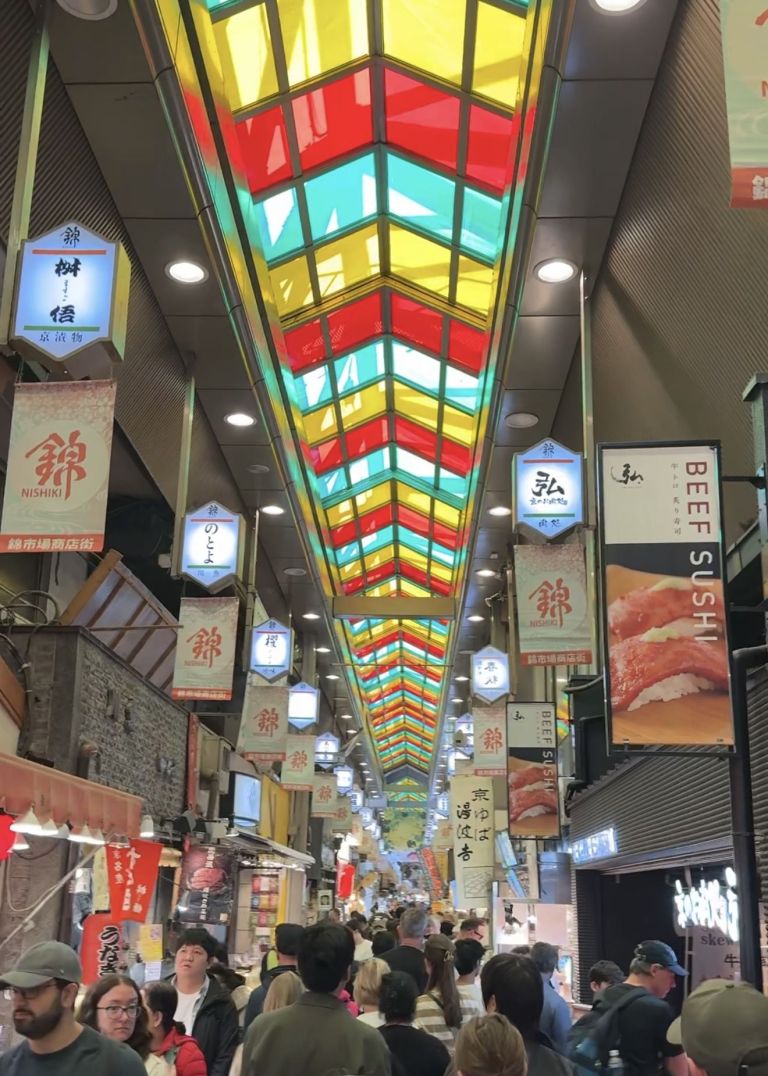
Grab a hearty breakfast at Nishiki Market, known as “Kyoto’s Kitchen.” It’s five blocks of over 100 stalls selling fresh seafood, pickles, sweets and snacks on a stick.
• 11 AM – Kinkaku-ji
Kinkaku-ji, the Golden Pavilion, is a Zen temple whose top two floors are covered in gold leaf. On a sunny day it reflects perfectly in the pond in front of it.
• 12:30 PM – Lunch: amṛta
amṛta is a cozy Japanese curry spot, perfect after a busy morning.
My tip: Check their hours ahead of time. They’re closed on Mondays, Thursdays and Fridays.
• 2 PM – Taishogun Shopping Street (Ichijo Yokai Street)
This shopping street is themed around yokai, the monsters and spirits of Japanese folklore. Local shopkeepers put handmade yokai figures out in front of their shops, and you can try things like black-broth yokai ramen and yokai croquettes.
• 4 PM – Nijo Castle
Nijo Castle was built in 1603 as the Kyoto home of the first Tokugawa shogun. The Ninomaru Palace has “nightingale floors” that chirp when you walk on them, built that way so no one could sneak in.
My tip: It closes at 5 PM, so get there earlier if you can.
• 6 PM – Dinner: Wajoryomen Sugari
Wajoryomen Sugari is a popular ramen spot in an old machiya building with counter seating. Their signature is the motsu tsukemen: thick noodles you dip into a rich pork and seafood broth.
• 8 PM – Drinks: Macho Bar
Something a little funny, if you’re into it. At Macho Bar, the staff are all very muscular “macho men” who put on a show and might even carry you to your seat. There’s an English menu, and it’s open from 8 PM to 2 AM, Tuesday through Sunday.
My tip: It’s recommended to make a reservation.
Alternatives and swaps
If you have more time in Kyoto, here are other places I recommend adding to your itinerary:
- Nintendo Museum: in Uji, all about Nintendo’s history with games you can play. Reservations are required through their website and they’re known to be hard to get, so book the moment they open, three months in advance. It pairs well with Day 3.
- Arashiyama Monkey Park Iwatayama: a short hike up to wild Japanese macaques and a great view over the city. Pairs well with Day 1.
- Otagi Nenbutsu-ji: a quiet temple in Arashiyama with 1,200 stone statues, each with its own funny expression.
- Ryoan-ji: home to Kyoto’s most famous Zen rock garden, close to Kinkaku-ji on Day 4.
- Kyoto Tower: a quick city view right across from Kyoto Station.
- Wife & Husband: a cafe near the Kamo River that packs you a picnic basket with coffee to enjoy by the water.
- Rokujuan: a restaurant in a century-old house with a Japanese garden, known for its flower-topped warabi mochi.


Leave a Reply